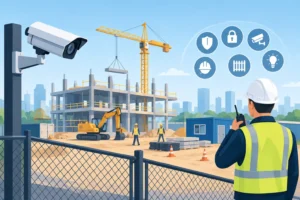
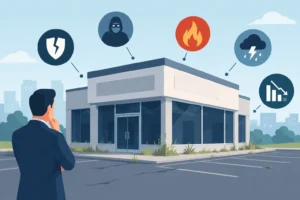
A construction site changes by the day, but its exposure to theft, trespass, vandalism and arson can increase in a matter of hours. Plant, fuel, materials, tools and unfinished structures all create opportunity when a site is left unattended. The best ways to protect construction sites combine visible deterrence, controlled access and a reliable response when something goes wrong.
For site managers and contractors, security should not be treated as a final-stage requirement. A practical plan protects project budgets, reduces disruption, supports health and safety obligations and helps keep work on programme.
The best ways to protect construction sites
1. Start with a site-specific security risk assessment
No two sites carry the same risk. A town-centre refurbishment may face frequent trespass and public access issues, while a remote development may be more vulnerable to organised theft of plant, copper or fuel. The project phase also matters. Groundworks, structural work, fit-out and handover each introduce different assets and access points to protect.
A meaningful assessment should identify what is most valuable, where people can enter, when the site is empty and what may attract attention. It should also consider neighbouring premises, poor lighting, blind spots, previous incidents and whether contractors require access outside normal working hours.
This assessment should result in clear priorities rather than a generic security checklist. For example, a site holding high-value machinery may need controlled vehicle gates and regular patrols, while a vacant partly completed building may require stronger perimeter checks and inspections for signs of entry or damage.
2. Make the perimeter difficult to breach
A secure perimeter is the first visible message that a site is managed. Temporary fencing, hoarding, locked gates and suitable barriers should be inspected regularly, particularly after severe weather, deliveries or weekend activity. A gap beneath a panel, an unsecured gate or a section obscured by stored materials can quickly become the preferred entry point.
Perimeter measures work best when they are supported by good housekeeping. Do not leave ladders, scaffolding components, pallets or plant positioned where they can assist unauthorised access. Secure fuel stores, tools and smaller equipment in locked containers, and keep valuable materials away from fence lines wherever possible.
Lighting can also deter opportunistic intruders, but it needs careful positioning. Poorly placed lighting can create shadows and glare that make monitoring harder. On sites near homes or public roads, consider the effect on neighbours as well as security performance.
3. Control who enters, leaves and holds keys
Construction projects involve multiple trades, delivery drivers, visitors and subcontractors. Without a clear access process, it becomes difficult to know who is on site, who has left and who can gain entry after hours.
Use a defined sign-in process, issue access credentials only where necessary and remove access promptly when contractors complete their work. Site keys should never be left in temporary site offices, cabinets or predictable hiding places. If a key is lost, copied or passed between workers without oversight, the security of the whole site may be compromised.
Professional key holding provides a safer alternative to asking a site manager or member of staff to attend an alarm activation at night. It reduces the risk of employees confronting intruders and ensures authorised access can be provided when required by the police, emergency services or approved contractors.
4. Use manned guarding where the risk justifies it
Manned guarding is particularly effective during high-risk phases of a project, when expensive deliveries are expected, or where the site is exposed to persistent trespass or theft. A visible security presence can deter opportunistic crime before it starts, while a trained officer can challenge unauthorised visitors, monitor access and report concerns promptly.
The right level of cover depends on the site. A large project may require a gatehouse presence during working hours and overnight guarding at key stages. A smaller development may benefit more from scheduled mobile patrols combined with secure access controls and alarm response.
The quality of the officer matters as much as the number of visits. Security personnel should understand site rules, emergency arrangements, visitor procedures and escalation routes. SIA-licensed staff working to clear assignment instructions provide a more dependable line of protection than an informal arrangement with no reporting or accountability.
5. Combine technology with physical patrols
CCTV, intruder alarms, motion detection and remote monitoring can strengthen site security, especially outside working hours. They can help identify unusual activity quickly and provide evidence after an incident. However, technology is not a substitute for a response plan.
An alarm that activates repeatedly without a trusted keyholder or mobile response can lead to delayed action, false alarm fatigue and unnecessary risk for staff. Likewise, cameras may record an offence but cannot secure a damaged gate, inspect a forced entry point or confirm that a site is safe to reopen.
Mobile security patrols provide a practical bridge between permanent guarding and an unmonitored site. Patrol officers can check gates, fences, lighting, storage areas and vulnerable access points at varying times. Their presence is less predictable than a fixed routine, which makes it harder for offenders to identify gaps in coverage.
6. Protect plant, fuel and materials separately
Plant theft can cause serious delay even where the insured value is recoverable. A stolen excavator, generator or specialist tool may not be immediately available to replace, and the resulting downtime can affect several trades at once.
Secure machinery when not in use, remove keys, use immobilisation measures where appropriate and avoid leaving plant close to site exits. Fuel should be stored in secure, clearly managed areas, with tanks and bowsers checked routinely for tampering. Materials such as copper cable, timber, windows and heating equipment deserve separate consideration because they can be moved quickly and sold on.
Keep an accurate register of significant assets, including serial numbers, photographs and ownership details. This supports police reporting and insurance claims, but more importantly, it gives site management a clearer view of what needs protection at each stage of the build.
7. Plan for incidents before they happen
The difference between a manageable incident and a costly one is often the speed and quality of the response. Every site should have a straightforward procedure for alarm activations, suspected break-ins, fire, damage, medical emergencies and severe weather.
Make sure contact details are current and that responsibilities are clear. Who can authorise access? Who contacts the project manager? Who will arrange emergency repairs to fencing or glazing? Who will inspect the site before workers return? These decisions should not be made for the first time at 2am after an alarm call.
A professional key holding and alarm response service gives construction businesses 24/7 support without placing site managers or employees in an unsafe position. Following an activation, trained responders can attend, assess the situation, liaise with emergency services where required and arrange for the premises to be secured.
Security must adapt as the project moves forward
Construction security is not a one-off installation. Perimeters move, buildings become easier to enter, valuable materials arrive and temporary facilities change position. Review the security plan after each major project milestone, following an incident, or whenever new access points are created.
This is particularly relevant on projects across Greater Manchester, where busy roads, adjoining commercial premises and dense residential areas can create different access and visibility challenges. Regular inspections and documented patrol activity help ensure that small weaknesses are identified before they become costly losses.
KCS provides accredited physical security, mobile patrols, key holding and alarm response for organisations that need dependable protection beyond the working day. The most effective approach is always proportionate to the site, its assets and its operating hours, but it should never rely on chance. Protecting a construction site properly gives your team the confidence to focus on delivering the work.