A vacant unit can look secure at 5pm on Friday and become a costly incident by Monday morning. Vacant property risks develop quickly when there is no daily activity, no visible management presence and no one available to respond when an alarm activates. For commercial property owners and facilities managers, an empty building needs a planned protection strategy, not simply locked doors and an intruder alarm.
Whether a property is awaiting a new tenant, undergoing redevelopment, temporarily closed or sitting between contracts, responsibility for its condition remains. The longer it is unoccupied, the more opportunity there is for damage, unauthorised access and avoidable disruption.
Why vacant property risks increase over time
Occupied premises benefit from routine. Staff spot leaks, report damaged fencing, question unfamiliar visitors and notice when a fire door has been forced. Those simple observations disappear when a building is empty. Small defects can therefore go undetected until they become expensive repairs or insurance claims.
Vacant sites may also attract attention because they appear easier to access and less likely to be challenged. A broken perimeter panel, unsecured window or poorly lit service yard can signal an opportunity to opportunistic offenders. Once access has been gained, the consequences may extend beyond stolen stock or equipment. Damage to electrical systems, copper pipework, doors, shutters and internal fittings can make the property unsafe and delay its return to use.
The level of exposure depends on the property. A town-centre retail unit may face different issues from an isolated warehouse, an empty office block or a former industrial site. Location, previous use, the value of remaining assets, surrounding footfall and the condition of the perimeter should all inform the security plan.
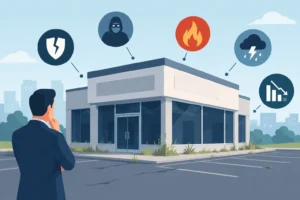
The main risks facing an unoccupied commercial site
Theft, vandalism and unauthorised access
Theft from vacant premises is not limited to high-value goods. Criminals may target metal, cabling, boilers, tools, IT equipment, air-conditioning components and fuel. Vandalism can be equally disruptive, particularly where windows are broken, graffiti attracts further activity or damage creates a route into the building.
Unauthorised access also brings health and safety concerns. Trespassers may enter unstable areas, climb onto roofs or interfere with plant and machinery. If someone is injured, the property owner or responsible manager may need to demonstrate that reasonable steps were taken to secure the site and address known hazards.
Fire, water and utility failures
Empty buildings are vulnerable to incidents that are not immediately visible from the street. An electrical fault, deliberately lit fire, burst pipe or roof leak can spread or worsen without early intervention. Even a small water escape can damage ceilings, flooring, electrical infrastructure and neighbouring units.
Utilities need careful consideration. Is heating required to protect pipework during colder periods? Have water, gas and electricity supplies been isolated where appropriate? Are fire detection systems still operating, tested and connected to a response arrangement? These decisions should be based on the building’s condition and use, rather than treated as a standard checklist.
Insurance and compliance exposure
Many commercial insurance policies include conditions for unoccupied premises. These can cover matters such as inspection frequency, security measures, utility management, alarm maintenance and notification once a property has been empty for a stated period. Failing to meet those conditions can create difficulties if a claim is made.
Security records matter. Dated inspection reports, evidence of alarm response, photographs of defects and a clear record of action taken help demonstrate active management. They also give property teams a reliable view of what is happening across a portfolio, rather than relying on assumptions or occasional visits.
Deterioration and loss of property value
Vacancy can accelerate decline. Overgrown grounds, fly-tipping, damaged signage, unsecured gates and poor exterior lighting affect how a property is perceived by prospective tenants, buyers and neighbours. A site that appears neglected can be harder to let and may require greater investment before it can be brought back into operation.
This is why vacant property security should protect both the building and its commercial future. A regular inspection can identify a loose roof tile, obstructed drain or failing boundary fence before it becomes a more serious issue.
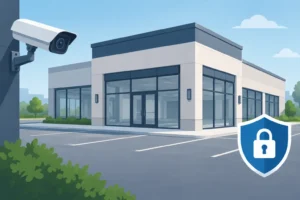
What effective vacant property protection looks like
A suitable approach begins with a site-specific risk assessment. There is no single inspection schedule or patrol pattern that suits every empty building. A high-risk industrial unit with valuable plant, for example, may require frequent mobile patrols and monitored alarm response. A short-term office vacancy in a well-managed business park may need a different level of support.
The assessment should consider access points, perimeter condition, lighting, remaining assets, neighbouring properties, known incidents, fire risks and the arrangements required by the insurer. It should also establish who is authorised to make decisions if an incident occurs. Delays are common when alarm responders cannot obtain permission to call an engineer, arrange emergency boarding or isolate a utility.
A practical protection plan often combines several measures:
- Regular vacant property inspections to check the building, perimeter, services and signs of unauthorised entry.
- Mobile security patrols at varied times to provide a visible deterrent and identify issues between inspections.
- Key holding and alarm response so trained security personnel can attend activations without placing employees at risk.
- Open-up and lock-up support where contractors, surveyors or prospective tenants need controlled access.
- Clear escalation procedures for police attendance, emergency repairs, fire and water incidents, and client notification.
The strength of this arrangement lies in how the measures work together. An alarm may identify an activation, but it does not assess a broken window, meet an emergency contractor or make sure the property is secure afterwards. Equally, an inspection is more effective when findings are recorded, reported promptly and followed through.
Inspections should be purposeful, not a box-ticking exercise
A meaningful inspection is more than confirming that the front door is locked. The operative should check accessible doors, windows, shutters, gates and fencing, look for signs of entry or occupation, assess obvious fire and water hazards, and identify defects that need urgent attention.
External areas deserve the same attention as the building itself. Fly-tipping can create fire risk and obstruct access. Vegetation can conceal entry points. Poor lighting may compromise CCTV coverage or create a safer environment for intruders. Where a site contains outbuildings, plant rooms, loading yards or rooftop access, each area should form part of the inspection route.
Reporting should be clear enough for a busy property manager to act on. A useful report identifies what was found, where it was found, the immediate action taken and the recommended next step. Photographic evidence can be particularly valuable where a defect is developing over time or an insurer requires proof of compliance.
Protect staff from unnecessary call-outs
One common weakness is naming an employee as the keyholder for an empty site without considering the practical consequences. Alarm activations often occur outside normal working hours. Sending a member of staff alone to an unfamiliar, dark or potentially compromised building can expose them to confrontation, unsafe conditions and significant personal pressure.
Professional key holding and alarm response removes that burden. A trained, licensed security officer attends, assesses the situation and follows the agreed escalation process. If police, fire and rescue services, a locksmith or an emergency contractor are needed, the response can be managed from the site with the client kept informed.
This is not only a security decision. It supports duty of care, reduces disruption for employees and gives managers confidence that an activation will be dealt with consistently at any hour.
When a vacancy changes, reassess the plan
Vacant property risks are not fixed. A building may become more exposed after a neighbouring unit closes, after scaffolding is installed, during school holidays or when contractors begin work. A property that was low risk during a short vacancy may need increased protection as time passes or as assets are removed.
Review arrangements after any incident, material change or prolonged period of vacancy. Check whether access codes and keyholder details remain current, whether contact numbers work out of hours, and whether the security provider has the right instructions for emergency decisions. These details are easy to overlook until an incident makes them urgent.
For organisations managing sites across Greater Manchester or further afield, consistency is especially valuable. KCS provides vacant property inspections, mobile patrols, key holding and alarm response designed to keep commercial premises protected while managers retain clear oversight of activity and incidents.
An empty building may be temporarily out of use, but it should never be out of sight. Active inspections, reliable response arrangements and disciplined site management provide the peace of mind needed to protect the property until its next commercial purpose begins.