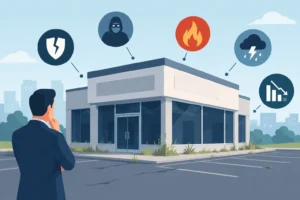
An alarm activation at 2am, an unsecured loading door, damaged perimeter fencing or an unauthorised visitor may each require a different response. They all need the same disciplined follow-up: a clear record of what happened, what was done and who was informed. This guide to security incident reporting explains how commercial organisations can turn an incident into useful, defensible information rather than a gap in the site record.
Why accurate incident reporting protects your business
A security report is more than an administrative task after an event. It provides an accountable record for property managers, insurers, senior leaders, police and any security provider involved in the response. When an incident is later reviewed, memories can be incomplete and staff may have changed. A contemporaneous report preserves the facts.
Good reporting also supports better decision-making. Repeated reports of attempted access at one gate, for example, may show that lighting, fencing, patrol timings or access controls need attention. A single report can appear minor; a pattern of reports can reveal a genuine vulnerability.
For businesses with multiple premises, a consistent reporting process gives management a comparable view of risk across the estate. It helps demonstrate that concerns have been identified, escalated and managed appropriately. This is particularly valuable for vacant properties, industrial sites and premises holding high-value stock or sensitive equipment.
What counts as a security incident?
A security incident is any event that threatens, or could reasonably threaten, the safety of people, the security of premises, assets, access credentials or business operations. It does not need to result in a crime or financial loss to be reported.
Typical examples include unauthorised access, suspicious behaviour, theft or attempted theft, vandalism, criminal damage, trespass, threats to staff, lost keys or access cards, alarm activations, perimeter breaches and failures of security equipment. An open fire exit, a faulty lock or a visitor found in a restricted area may also require a report, even where no immediate harm has occurred.
The threshold should be practical. Reporting every routine observation can obscure serious concerns, while setting the bar too high leaves no evidence of near misses and recurring weaknesses. Your policy should define what staff must report, who they notify and when a situation must be escalated immediately.
A guide to security incident reporting: what to record
The best reports are factual, timely and complete without becoming speculative. The person writing the report should distinguish between what they saw, what they were told and what action they took. Avoid assumptions about motive, blame or identity unless these can be supported by evidence.
Start with the basics: the date, exact time and location of the incident. Record the name and role of the reporting person, any other staff or witnesses present, and how the event was first identified. Where an alarm was involved, note the activation reference, the zone or device indicated, the time of attendance and the condition of the premises on arrival.
Describe the sequence of events in order. Specific details matter. Instead of writing that a door was “damaged”, state that the lower glass panel was cracked, the handle was loose and the door could not be secured. Instead of describing a person as “suspicious”, record their actions, direction of travel, clothing, vehicle registration if safely obtained, and any relevant words or behaviour.
The report should then confirm the actions taken. This may include checking the building, securing a point of entry, contacting a keyholder, preserving CCTV footage, requesting police attendance, arranging an emergency repair or handing the matter to site management. Record who was contacted, the time of contact, any incident or crime reference number, and the outcome.
Where photographs, CCTV images, body-worn camera footage or access-control logs are available, identify them in the report and store them in line with your data protection procedures. Do not edit, overwrite or circulate evidence unnecessarily. Protecting the integrity of records can be as important as collecting them.
Respond first, report as soon as it is safe
A report should never take priority over immediate safety. If there is violence, a serious threat, a suspected break-in in progress, fire, or a risk to life, staff should follow emergency procedures and contact the emergency services where appropriate. They should not enter a potentially unsafe building, confront an intruder or disturb a possible crime scene simply to gather more detail.
Once the immediate risk is controlled, reports should be completed promptly. Details such as times, descriptions and the order of events become less reliable with delay. Many organisations set a clear reporting deadline, such as before the end of the shift or within a defined number of hours. The right timescale depends on the nature of the site and incident, but urgent events must be escalated in real time rather than waiting for paperwork.
For alarm response and key holding arrangements, this distinction is especially important. A trained responder can attend without placing an employee or keyholder in an avoidable position, assess the site condition and provide a documented handover. That gives the business a clearer account of the event while allowing internal teams to focus on their responsibilities.
Use a consistent reporting process
A standard incident form or digital reporting system improves quality because it prompts the reporter for the information that matters. It also reduces the risk of informal messages becoming the only record of an event. However, a template is only useful if employees and contracted personnel understand how to use it.
The process should set out who receives reports, which incidents require immediate management notification and when external bodies must be contacted. It should also identify who has authority to close an incident, approve repairs or alter security arrangements. A report should not disappear into an inbox without an owner.
Keep access to reports controlled. Security records can contain personal data, alarm information, keyholder details, access arrangements and evidence of weaknesses at a site. Store them securely, share them only with people who have a legitimate need to know, and retain them in accordance with your organisation’s policies and legal duties.
Turn reports into preventative action
The value of reporting is realised in the review, not merely the submission. Managers should assess significant incidents quickly, then review trends at planned intervals. Look for repeated alarm activations, common times of trespass, recurring equipment faults, locations where staff feel unsafe or sites where keyholders are being disturbed frequently.
Corrective action may be straightforward, such as repairing a lock, trimming vegetation that obstructs CCTV or changing a patrol route. Other findings may justify a broader review of access control, lighting, guarding, key holding or vacant property inspections. Not every incident requires a major investment, but every credible report deserves a considered response.
It is also good practice to record what changed as a result. If a gate was repaired, patrols increased or a staff briefing issued, add that information to the incident record or follow-up log. This creates a visible trail of risk management and allows the organisation to judge whether the action reduced repeat events.
Common reporting mistakes to avoid
The most damaging error is vague language. Phrases such as “all secure” or “nothing unusual” can be useful only when supported by the checks carried out. State which areas were inspected, what was found and whether any limitations applied, such as poor visibility or restricted access.
Another mistake is treating an incident report as an opinion. Reports should not accuse individuals, make legal conclusions or include personal comments. If a witness makes an allegation, attribute it clearly: “The receptionist stated that…” This protects fairness and keeps the record credible.
Finally, do not overlook smaller incidents because they seem routine. A lost key, a door left unlocked or a repeated false alarm may not be dramatic, but each can expose an operational weakness. Reliable security depends on attention to these details before they become more serious events.
A well-managed report gives your organisation more than a record of a difficult moment. It gives the next person attending site the context to act confidently, and gives management the evidence to make the premises safer. For commercial sites that need round-the-clock reassurance, a dependable reporting culture is part of protecting your work, rest and play.