A construction site can become vulnerable within minutes of the workforce leaving. Plant, fuel, tools, copper cable and materials are attractive targets, while an unsecured gate or missed alarm activation can also create safety, liability and programme risks. The best construction site security is not a single measure. It is a properly managed combination of physical protection, visible presence and reliable response.
For project managers and contractors, the aim is straightforward: prevent unauthorised access, protect high-value assets and keep the programme moving without creating unnecessary cost or disruption. The right approach depends on the site’s location, layout, stage of build and the value of equipment left outside working hours.
Why construction sites need a layered security plan
Construction environments change quickly. Perimeter lines move, delivery routes alter, compounds expand and new access points appear as work progresses. A security arrangement that was suitable during groundworks may be inadequate once plant, materials and temporary buildings are in place.
Theft is an obvious concern, but it is not the only one. Intruders may cause deliberate damage, start fires, enter unsafe areas or interfere with machinery. Unauthorised visitors can also affect health and safety compliance. If a breach results in damaged equipment or a delayed delivery, the financial impact can extend well beyond the replacement value of the item taken.
A layered plan means that if one control is bypassed, another is in place. Fencing and locked gates delay entry. Lighting and signage deter opportunists. Alarm systems identify a breach. Mobile patrols or a trained security officer provide an on-site response. This approach is more dependable than relying on a single camera, padlock or occasional site visit.
What the best construction site security includes
The strongest arrangements are built around the real risks of the project rather than a standard package. A small urban refurbishment site may need tight access control and frequent out-of-hours checks. A large development with multiple gates, expensive plant and isolated storage areas may require manned guarding alongside mobile response.
Secure access and perimeter control
A site perimeter should make it clear where authorised access begins and ends. Hoarding, fencing, secured gates and controlled vehicle entry reduce the likelihood of casual trespass and make suspicious activity easier to identify. Weak points deserve particular attention, including rear boundaries, gaps created by works, temporary openings and areas hidden from public view.
Keys and access credentials require the same discipline. Too many copies, unclear handovers and keys left in site cabins create avoidable exposure. A formal key control process ensures that access is accountable, particularly where several contractors, suppliers and managers need entry at different times.
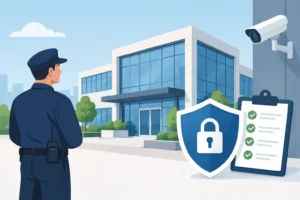
At the end of each shift, a documented lock-up routine should cover gates, containers, offices, fuel stores, plant and any temporary access routes. This routine is simple in principle, but it must be completed consistently. Outsourced open-up and lock-up services can remove this responsibility from already stretched site teams.
Visible guarding where the risk justifies it
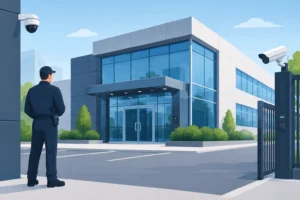
A professional security officer remains one of the most effective deterrents on a higher-risk site. A visible presence can challenge unauthorised visitors, monitor deliveries, manage access, report hazards and provide reassurance to legitimate staff working early or late.
Manned guarding is particularly valuable where there is a high concentration of plant or materials, repeated trespass, sensitive works, public-facing access or a known local crime risk. It can also be appropriate during critical periods, such as pre-handover, shutdowns, holiday closures or when valuable equipment is temporarily stored on site.
The trade-off is cost. Full-time guarding is not necessary for every project, particularly when a site is small or inactive. In those cases, scheduled mobile patrols may provide a more proportionate level of protection. The key is to assess risk honestly rather than choosing the lowest-cost option and hoping it is enough.
Mobile patrols and alarm response
Mobile patrols provide an unpredictable, visible deterrent outside normal working hours. Patrol officers can inspect gates, perimeter fencing, compounds and vulnerable areas, checking that the site is secure and identifying damage before it develops into a larger problem. Visits should be recorded and supported by clear escalation procedures.
Alarm response is equally important. An alarm is only useful if somebody capable of responding is available when it activates. Asking a site manager or director to attend an alarm call in the early hours can expose them to personal risk and place pressure on people who are not trained for the situation.
A professional key holding and alarm response service ensures that an authorised, licenced responder attends, assesses the issue and follows agreed instructions. This may involve liaising with the emergency services, securing the premises, arranging temporary repairs or notifying the appropriate project contact. It protects staff from unnecessary risk while ensuring the site is not left exposed.
CCTV, lighting and alarms as supporting controls
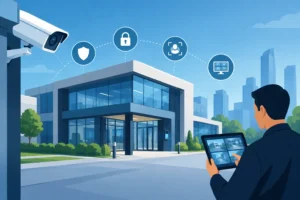
CCTV can provide useful evidence and improve oversight, especially at entrances, storage compounds and plant areas. However, cameras should not be treated as a substitute for response. Footage does not stop an incident in progress unless it is actively monitored and supported by action when an alert is raised.
Good lighting makes unauthorised activity more visible and helps legitimate workers move safely around the site. It must be positioned carefully, particularly near entrances, pedestrian routes, containers and storage areas. Poorly placed lighting can create blind spots or disturb neighbouring properties.
Temporary alarm systems can be effective where they are correctly installed, tested and linked to a dependable response plan. Consider whether the system will remain suitable as the site layout changes. A sensor that protected a container during the first phase may be poorly positioned once materials are relocated or new structures obstruct coverage.
Matching security to the construction programme
Security should be reviewed at planned stages rather than set once and forgotten. Before work begins, focus on perimeter integrity, access arrangements and protecting early deliveries. As activity increases, consider delivery management, visitor control, plant security and the movement of subcontractors.
During fit-out, internal materials, tools and completed areas can become more valuable than external plant. Near completion, theft and damage may have a direct effect on handover dates. Vacant or partially occupied buildings require particular care, as they can attract trespass, vandalism and unauthorised occupation.
This is where a security provider with operational experience adds value. The provider should be able to adapt patrol patterns, access instructions and response procedures as the project changes, rather than leaving the contractor to manage every adjustment alone.
Questions to ask before appointing a provider
Security is a high-responsibility service. The provider will potentially hold keys, attend incidents and represent your business on an active site, so credentials and procedures matter.
Ask how officers are licenced, trained and supervised, how incidents are recorded, and what happens when an alarm activation is genuine. Check whether the company has relevant quality and industry accreditations, clear escalation arrangements and the capacity to maintain service during weekends, holidays and unexpected events.
For sites in Greater Manchester and beyond, local knowledge can improve response times and familiarity with common risks, while national capability may be valuable for contractors managing several projects. Key Control Services has provided commercial security support since 1998, with SIA Approved Contractor Status and ISO 9001:2015 accreditation supporting a disciplined approach to key holding, patrols, guarding and property protection.
The best construction site security gives the project team confidence that protection continues after the workforce has gone home. Start with the risks specific to your site, set clear responsibilities and choose security support that can respond when it matters most.