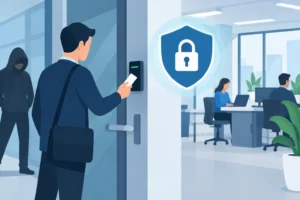
A single overnight intrusion can create far more than a repair bill. It can interrupt trading, expose sensitive information, unsettle staff and leave a site vulnerable to repeat incidents. When deciding between manned guarding or mobile patrols, the right answer depends on what must be protected, when the risk is highest and how quickly an issue needs to be identified.
For many commercial properties, the decision is not simply about choosing the most visible service or the lowest monthly cost. It is about putting the appropriate level of professional security in place without creating unnecessary overhead. A clear risk assessment of the premises, operational hours and likely threats should lead the decision.
Manned guarding or mobile patrols: the key difference
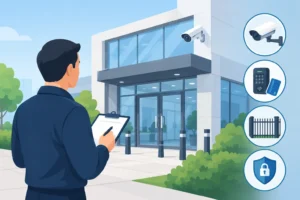
Manned guarding places a trained, licensed security officer at your premises for an agreed period, which may be during business hours, overnight or around the clock. The officer provides a continual physical presence. Their duties can include controlling access, monitoring visitors and deliveries, carrying out checks, reporting concerns, completing patrols and responding immediately to incidents on site.
Mobile patrols involve security officers visiting the premises at planned or varied intervals. A patrol officer checks key areas, tests that doors and gates are secure, looks for signs of damage or unauthorised access and records findings. Mobile services can also include open-up and lock-up duties, welfare checks and attendance following an alarm activation.
Both services deter opportunistic crime and provide reassurance. The practical difference is continuity. A static officer is present throughout their shift, while a mobile patrol provides visible, professional checks at specific times.
When manned guarding is the stronger choice
Manned guarding is particularly suited to sites where security needs are continuous or where people, rather than property alone, need support. A permanent officer can take ownership of site routines, recognise what is unusual and deal with concerns before they develop into a larger problem.
This is often appropriate for busy offices, construction projects, retail environments, industrial premises with high-value stock, healthcare settings and sites receiving visitors or contractors outside standard hours. It can also suit properties with complex access arrangements, multiple entry points or a history of trespass, theft or anti-social behaviour.
A visible officer at a reception desk, gatehouse or entrance creates a clear control point. Visitors know where to report, employees have someone to contact if they feel unsafe and unauthorised individuals are less likely to test the site. During an incident, the officer can assess the immediate situation, follow agreed procedures and liaise with emergency services where necessary.
The trade-off is cost. A dedicated officer delivers the highest level of presence, but it is a more substantial commitment than periodic visits. For a low-activity unit that is empty every evening, full-time guarding may provide more coverage than the actual risk requires.
The value of site familiarity
Security officers who work regularly at a location become familiar with normal patterns: the expected delivery vehicle, the contractor due on site, the door that should never be open and the area where equipment is usually stored. This familiarity can make a meaningful difference when identifying suspicious activity.
It is also valuable where security duties overlap with daily operations. An officer may manage access for early staff, secure a building after the final shift, monitor contractor movements or maintain a professional presence during a sensitive event. These responsibilities need clear instructions, reliable reporting and properly licensed personnel.
When mobile security patrols make more sense
Mobile patrols are designed for premises that need regular protection but do not require someone on site at all times. They offer a flexible, cost-conscious way to maintain a credible physical security presence, particularly outside trading hours.
They are well suited to small and medium-sized offices, warehouses, trade counters, business parks, vacant units, schools, car parks and multi-site estates. A patrol officer can attend at varying times, reducing predictability, inspect agreed points around the premises and report any concerns. The knowledge that a professional patrol may arrive at any time can be a powerful deterrent.
For property managers responsible for several sites, mobile patrols can be especially effective. Rather than paying for a static officer at every location, the service can be tailored around each building’s risk profile, hours and access requirements. One property may need a late-evening lock-up, another may need overnight perimeter checks, while a vacant site may need more frequent inspections after a recent incident.
Mobile patrols work best when expectations are specific. The provider should understand which gates, doors, external areas, plant rooms and vulnerable points require attention. A useful patrol is not a quick drive past the building. It is a documented, accountable inspection carried out by a trained officer with a clear escalation process.
Response arrangements matter
A mobile patrol service should not be confused with an alarm response service, although the two can work closely together. Patrols are scheduled security visits. Alarm response is an attendance following a confirmed or unconfirmed activation, according to the agreed instructions.
If an alarm activates in the middle of the night, relying on an employee to attend may expose them to avoidable risk. A professional key holding and alarm response service means a trained security officer can attend, assess the situation and take appropriate action. This protects staff from being placed in a potentially confrontational or unsafe position.
For many businesses, scheduled mobile patrols combined with key holding and alarm response provide strong out-of-hours protection without the cost of a permanent officer.
Choosing the right level of coverage
The decision should begin with the site, not a standard package. Consider the value and nature of the assets held on the premises, the number of access points, the hours when the building is empty and the potential impact of an incident. A premises containing specialist equipment, controlled stock or confidential records may justify a higher level of presence than a standard office unit.
Also consider the human impact. If lone workers are opening or closing the premises, an officer can support safer routines. If a site is vacant, regular inspections can identify forced entry, water leaks, fire damage or signs of occupation before the issue becomes more costly. If the property is in an area with repeated nuisance activity, varied mobile patrols may provide the right visible deterrent.
A practical approach may involve more than one service. For example, a distribution facility could have a manned gatehouse during delivery periods, followed by mobile patrols and alarm response overnight. An office building might require a lock-up service each evening, patrol visits at weekends and key holding throughout the year. This layered approach aligns coverage with actual exposure.
Questions to ask a security provider
Before appointing a provider, establish how officers are selected, licensed, supervised and supported. Security is a high-responsibility service, particularly where access keys, alarm activations and sensitive premises information are involved.
Ask how attendance and patrol activity are recorded, what happens when an issue is found and who is available outside office hours. You should also understand the escalation process for alarms, intruders, damage, welfare concerns and emergencies. Clear reporting helps facilities and operations managers demonstrate that security duties are being actively managed.
Credentials should be part of the assessment, not an afterthought. SIA Approved Contractor Status and recognised quality standards provide added assurance that systems, personnel and service delivery are subject to formal requirements. KCS combines this discipline with experienced, actively licensed personnel and services designed around commercial risk.
Security that reflects the way your site operates
Manned guarding provides constant oversight, immediate on-site decision-making and a strong visible presence. Mobile patrols offer flexible, regular protection for properties that need professional checks rather than permanent staffing. Neither option is automatically better – the right choice is the one that matches your exposure, operating pattern and duty of care.
The most useful next step is to review what happens at your premises after the last person leaves, before the first person arrives and whenever an alarm sounds. Those moments often show exactly where professional security support will deliver the greatest peace of mind.