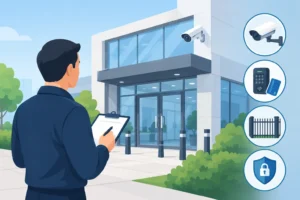
A warehouse can lose thousands of pounds in a single poorly managed incident. An unsecured loading bay, an unauthorised visitor, a missed alarm activation or a gap between shifts can expose stock, staff and operations to unnecessary risk. Warehouse guarding services provide a visible, controlled security presence that protects the site when activity is high and when it is quiet.
For facilities and operations managers, the priority is not simply placing a guard at a gate. It is maintaining control over who enters the premises, what leaves it, how incidents are handled and whether normal operations can continue safely. The right service should support that responsibility without creating extra work for your team.
Why warehouses need a different security approach
Warehouses are complex environments. They often combine valuable inventory, vehicle movements, multiple access points, contractors, delivery drivers and changing shift patterns on one site. A security arrangement designed for a small office or retail unit may not provide the same level of oversight.
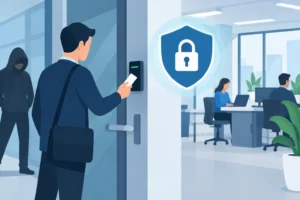
The risks also extend beyond theft. Tailgating through staff entrances, unauthorised access to restricted areas, vandalism, fly-tipping, damaged perimeter fencing and health and safety breaches can all affect continuity. During peak periods, a busy gatehouse or loading yard can make it harder to distinguish a legitimate delivery from an unplanned visitor.
Out-of-hours exposure is equally significant. Many warehouses are lightly occupied overnight, at weekends or during shutdown periods. Alarm systems and CCTV remain valuable deterrents, but they do not assess a situation on site, manage access for emergency services or secure a damaged point of entry. A trained security officer or mobile response team can make decisions within agreed procedures and escalate appropriately.
What effective warehouse guarding services should cover
The right level of guarding depends on the building layout, stock profile, operating hours and existing security measures. A high-value distribution centre with constant vehicle movements will require a different approach from a smaller warehouse that is vacant overnight. The starting point should be a site-specific risk assessment, not a standard package.
Access control and gatehouse duties
Controlling access is one of the clearest ways to reduce risk. Security officers can check identification, record visitors and contractors, manage sign-in procedures and ensure that people enter only through approved routes. At sites with a gatehouse, they may also oversee vehicle access, delivery appointments and driver instructions.
This process needs to remain practical. Security should not delay legitimate deliveries or prevent a warehouse team from meeting dispatch deadlines. Clear procedures, accurate logs and officers who understand the operational rhythm of the site allow access control to support efficiency rather than obstruct it.
Patrols that protect the full site
A warehouse is more than its main entrance. Perimeter lines, loading doors, fire exits, yard areas, plant rooms and roof access points all need consideration. Scheduled and random patrols help identify issues before they become serious incidents, including open doors, damaged fencing, suspicious activity or unsafe conditions.
Patrol records also create accountability. When a concern is identified, the security provider should report it clearly, follow the agreed escalation route and maintain an auditable record of the action taken. This is particularly useful for multi-site operators that need confidence that standards are being applied consistently across their estate.
Incident management and emergency support
A security officer may be the first person on site to respond to an alarm, welfare concern, fire panel activation or suspicious activity. Their role is not to take unnecessary risks. It is to assess the situation, protect people, secure the premises where possible and contact the relevant emergency service or nominated manager.
Clear assignment instructions are essential. They should state who can authorise access, how keyholders are contacted, what happens after an alarm activation and when a site must be closed or handed over. A well-managed response limits confusion during an event that could otherwise interrupt operations for hours.
Protecting staff as well as stock
Warehouse staff can arrive early, finish late or work in areas away from main reception points. Visible guarding provides reassurance, particularly where lone working, late-night dispatches or contractor activity are part of normal operations.
Security officers can also help enforce site rules around restricted areas, visitor procedures and reporting suspicious behaviour. Their presence reinforces the message that the premises are actively managed. That can deter opportunistic crime while giving employees a clear point of contact if something does not feel right.
Designing a warehouse guarding plan around operations
Good security is planned around how the warehouse actually works. Before deciding whether permanent guarding, mobile patrols or a blended service is appropriate, consider the busiest and quietest periods, the value and movement of stock, known vulnerabilities and the duties expected from security personnel.
A 24-hour manned presence may be justified where a site operates continuous shifts, handles high-value goods or receives frequent deliveries. For a warehouse that is secure during working hours but vulnerable when empty, scheduled mobile patrols alongside key holding and alarm response may offer more proportionate coverage.
Many sites benefit from a combination. For example, an officer may manage access and visitor control during the day, while mobile patrols, open-up and lock-up services and an emergency alarm response protect the building overnight. This can provide consistent protection without paying for a static presence where it is not required.
Technology should support the guarding plan, not replace judgement. CCTV, intruder alarms, access control systems and electronic patrol monitoring can provide useful evidence and visibility. However, they are most effective when supported by trained personnel who know what to look for, can verify an incident and can act in line with agreed instructions.
Standards that matter when appointing a security provider
Security staff may hold keys, access sensitive areas, work around employees and represent your business to visitors. Choosing on price alone can create avoidable exposure. A provider should be able to demonstrate suitable licensing, quality controls, supervision and a clear process for handling incidents.
Ask how officers are recruited, vetted, trained and supported. Confirm whether the service is delivered by appropriately licensed personnel and how cover is managed for sickness, holidays or unexpected demand. It is also worth understanding how reports are shared, who monitors service performance and how concerns are resolved.
Accreditation provides a useful measure of operational discipline. SIA Approved Contractor Status and ISO 9001:2015 quality accreditation indicate that a provider has been independently assessed against recognised standards. They do not remove the need for a site-specific plan, but they offer greater confidence that processes, training and quality management are taken seriously.
Key Control Services has protected commercial premises since 1998 and delivers SIA-licensed security support for organisations that need dependable access control, patrols, key holding and response arrangements. For warehouse operators, that experience matters most when it is translated into clear instructions and reliable action on the ground.
Getting the balance between security and cost right
The aim is not to create the most expensive security arrangement. It is to reduce the risks that could cause loss, disruption, reputational damage or unsafe conditions. A risk-led review often identifies where resource is genuinely needed and where existing measures can be improved.
For example, a weak perimeter or unreliable access process may need attention before increasing guard hours. Equally, an alarm system without a reliable keyholder response plan can leave managers exposed to overnight call-outs and delayed attendance. The most cost-effective option is usually the one that combines the right people, procedures and technology for the real risks on site.
Review the arrangement after operational changes such as a new tenant, extended shifts, higher-value stock, altered delivery schedules or a period of vacancy. Security requirements are not fixed, and a plan that worked last year may no longer reflect the way the site is used.
A dependable warehouse security presence gives managers more than a deterrent at the gate. It gives them the confidence that access is controlled, incidents are handled professionally and their people are not left to deal with security risks alone.